
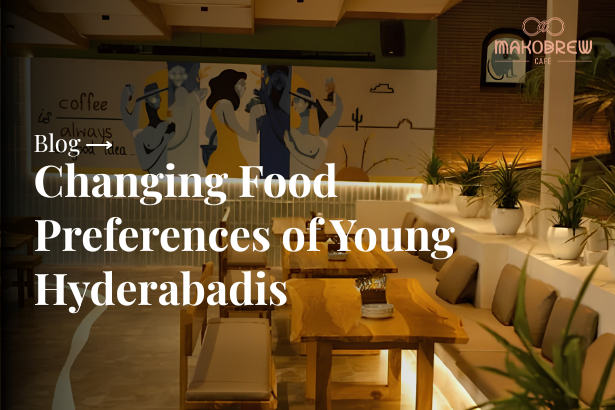
As the owner of a pure veg restaurant, Makobrew, I have had a front-row seat to a quiet but powerful shift in how young people in Hyderabad eat, order, and even think about food. Over the last few years, I have seen college students, young professionals, and even first-time diners walk in with very different expectations compared to the previous generation. Their choices are not random. They reflect deeper cultural, lifestyle, and health-driven transformations.
This change is not just about taste. It is about identity, convenience, wellness, and global exposure. Let me break this down based on what I have personally observed and tested in my own menu.
The Rise of Health-Conscious Eating
Young Hyderabadis are far more aware of what goes into their meals. Earlier, taste dominated decisions. Now, nutrition sits equally on the table.
I regularly see customers asking about ingredients, oil type, calorie count, and even cooking methods. Terms like plant-based diet, vegan options, gluten-free meals, and low-carb food are no longer niche. They have become part of everyday conversation.
At Makobrew, when we introduced millet-based dishes and baked alternatives to fried snacks, I expected slow adoption. Instead, these items quickly became popular among younger customers. This shift connects strongly with increasing awareness about lifestyle diseases, fitness trends, and social media influence.
This generation is not rejecting traditional food. They are refining it. They want healthier versions of familiar dishes like dosa, biryani, and chaats.
Global Influence Meets Local Taste
Hyderabad has always been known for its rich culinary heritage, especially Hyderabadi biryani and Mughlai cuisine. However, today’s youth are exposed to global food culture through travel, YouTube, Instagram, and food delivery apps.
As a result, fusion food is gaining traction. Dishes like peri-peri paneer, cheese-loaded dosas, and Indo-Italian combinations are no longer experimental. They are expected.
In my experience, adding global flavors to local recipes works best when balance is maintained. For example, a simple margherita-style flatbread infused with Indian spices gets far better response than a completely Western dish.
Young diners seek novelty but still want a connection to familiar taste profiles. This blend of local and international cuisine defines modern Hyderabad food trends.
Preference for Pure Veg and Ethical Eating
One interesting pattern I have observed is the growing acceptance of vegetarian and even vegan food among non-vegetarians. This is not always driven by religion. It is often linked to sustainability, animal welfare, and personal health.
At Makobrew, many customers who usually eat meat still choose veg options when dining out. They are curious about innovative vegetarian dishes that do not feel restrictive.
Dishes made from paneer, tofu, mushrooms, jackfruit, and lentils are gaining popularity because they provide both taste and protein. This reflects a broader shift toward mindful eating.
Young Hyderabadis are not just asking “what tastes good?” They are asking “what aligns with my values?”
The Impact of Food Delivery Apps
Platforms like Swiggy and Zomato have completely changed eating habits. Convenience plays a major role in shaping preferences.
I have noticed that dishes which are easy to pack, travel well, and maintain texture during delivery perform better online than in dine-in settings. This has influenced how we design our menu.
Young customers often explore new cuisines through delivery apps before visiting a restaurant. Ratings, reviews, and food photos influence their decisions heavily.
This digital-first behavior has also shortened attention spans. People want quick service, consistent quality, and visually appealing food. Presentation matters as much as taste.
Snacking Culture and Small Portions
Traditional meal structures are evolving. Instead of three heavy meals, many young people prefer smaller, frequent eating patterns.
Quick bites, finger foods, and shareable plates have become more popular than full thalis. Items like sliders, mini dosas, loaded fries, and bite-sized desserts see high demand.
At Makobrew, introducing small portion options helped us cater to groups who want to try multiple dishes in one visit. This approach aligns with social dining habits where people come together to explore variety rather than stick to a single dish.
Snacking is no longer limited to evening tea time. It has become an all-day behavior.
Social Media Driven Food Choices
Instagram has become a major driver of food trends. A dish that looks good often performs better than one that simply tastes good.
Young Hyderabadis actively search for “Instagrammable cafes” and “trending food spots.” Presentation, plating, and ambience play a key role in attracting this audience.
I have personally experimented with visually appealing dishes at Makobrew. Even simple items, when plated creatively, receive better engagement online and bring more footfall.
However, this trend comes with a challenge. Food must deliver both aesthetics and flavor. If it fails in taste, customers do not return.
Demand for Customization and Personalization
Customization is another clear trend. Customers want control over their meals.
Requests like less oil, extra cheese, no onion, vegan substitutes, or spice level adjustments are common. This reflects a shift toward personalized dining experiences.
Young consumers value flexibility. They prefer restaurants that adapt to their preferences rather than offering rigid menus.
From my experience, allowing small customizations increases customer satisfaction significantly. It also builds trust and loyalty.
How Pricing Psychology Influences Food Choices
Young Hyderabadis are price-aware, but not always price-sensitive. That distinction matters. They are willing to spend more on food that feels premium, healthy, or unique. At the same time, they expect clear value.
From my experience at Makobrew, pricing works best when it aligns with perception. A millet bowl priced slightly higher than a regular rice dish still sells well if customers associate it with health benefits and quality ingredients.
Combo meals, curated platters, and value bundles perform strongly among students and working professionals. These formats reduce decision fatigue and give a sense of getting more for the price paid. On the other hand, overpriced items without a clear story or benefit rarely convert.
Transparency also matters. When customers understand why a dish costs more, whether due to organic produce, artisanal preparation, or portion size, they are more accepting.
Experience Over Just Food
Dining today is not only about eating. It is about the overall experience. Ambience, music, lighting, seating comfort, and even staff interaction influence repeat visits.
Young customers look for places where they can spend time, work, or socialize. Cafes and casual dining spaces that offer a relaxed vibe often perform better than traditional setups focused only on food.
At Makobrew, I noticed that customers stay longer when the environment feels welcoming. This leads to higher engagement and often higher spending. People order more when they feel comfortable.
Food becomes part of a larger lifestyle experience. This is why branding, storytelling, and atmosphere matter just as much as the menu.
Seasonal and Experimental Eating Habits
Another clear shift is the willingness to try new dishes regularly. Young Hyderabadis do not like eating the same thing repeatedly. They seek variety and seasonal offerings.
Limited-time menus, festive specials, and chef-curated experiments generate excitement. Even small changes, such as introducing a new sauce or twist in an existing dish, can drive repeat visits.
I often test new recipes in small batches before adding them permanently. This approach allows me to understand customer preferences without taking major risks.
Seasonal ingredients also play a role. Fresh mango-based desserts in summer or warm, comfort foods during monsoon create a natural connection with customers.
Influence of Fitness and Lifestyle Trends
Fitness culture has grown significantly in Hyderabad. Gym memberships, yoga practices, and wellness routines influence food decisions.
High-protein meals, low-calorie dishes, and nutrient-rich ingredients are in demand. Terms like macro balance, clean eating, and gut health are becoming mainstream.
At Makobrew, protein-rich vegetarian options like paneer bowls, lentil-based dishes, and smoothie blends attract fitness-focused customers. These items are not marketed aggressively. Instead, they naturally fit into the lifestyle choices of this audience.
Young diners want food that supports their routine rather than disrupts it.
Sustainability and Conscious Consumption
Sustainability is no longer just a buzzword. Many young consumers actively prefer eco-friendly practices.
This includes reduced plastic usage, biodegradable packaging, locally sourced ingredients, and minimal food waste. Restaurants that communicate these efforts clearly build stronger connections with customers.
We introduced eco-friendly packaging for takeaway orders at Makobrew, and the response was positive. Customers appreciate small but meaningful steps toward responsible dining.
This behavior reflects a broader awareness of environmental impact and conscious consumption.
Late-Night Eating Patterns
Hyderabad has a vibrant late-night food culture, and young people are a big part of it. Students, IT professionals, and night-shift workers often look for food options beyond regular dining hours.
Late-night menus with light, easy-to-digest items perform well. Heavy meals are less preferred during these hours.
From my observation, dishes like sandwiches, wraps, light curries, and snacks are more popular at night compared to full meals. This aligns with changing work schedules and urban lifestyles.
Restaurants that adapt to these timing-based preferences gain a competitive advantage.
Trust, Reviews, and Community Influence
Young Hyderabadis rely heavily on peer recommendations. Online reviews, influencer opinions, and word-of-mouth play a major role in decision-making.
A single positive review can bring new customers, while negative feedback spreads quickly. Consistency becomes critical.
At Makobrew, maintaining food quality and service standards has helped build trust over time. Loyal customers often become brand advocates without any formal marketing effort.
Community-driven growth is powerful in today’s digital ecosystem.
Adapting to the New Food Landscape
Understanding changing preferences is only the first step. Adapting to them requires continuous learning and flexibility.
Menus should evolve without losing identity. Innovation should not compromise authenticity. Customer feedback should guide decisions, but not control creativity completely.
From my journey, I have learned that balance is key. Listening to customers while staying true to your culinary vision creates long-term success.
Restaurants that resist change struggle to stay relevant. Those that adapt thoughtfully build lasting connections.
Final Thoughts
The food preferences of young Hyderabadis are dynamic, informed, and deeply connected to lifestyle shifts. Health awareness, global exposure, ethical values, and digital convenience all shape their choices.
As a restaurant owner, I see this transformation not as a challenge but as an opportunity. It pushes us to innovate, improve, and think beyond traditional boundaries.
Food is no longer just about hunger. It is about experience, identity, and conscious living. Those who understand this shift will continue to thrive in Hyderabad’s evolving food scene.